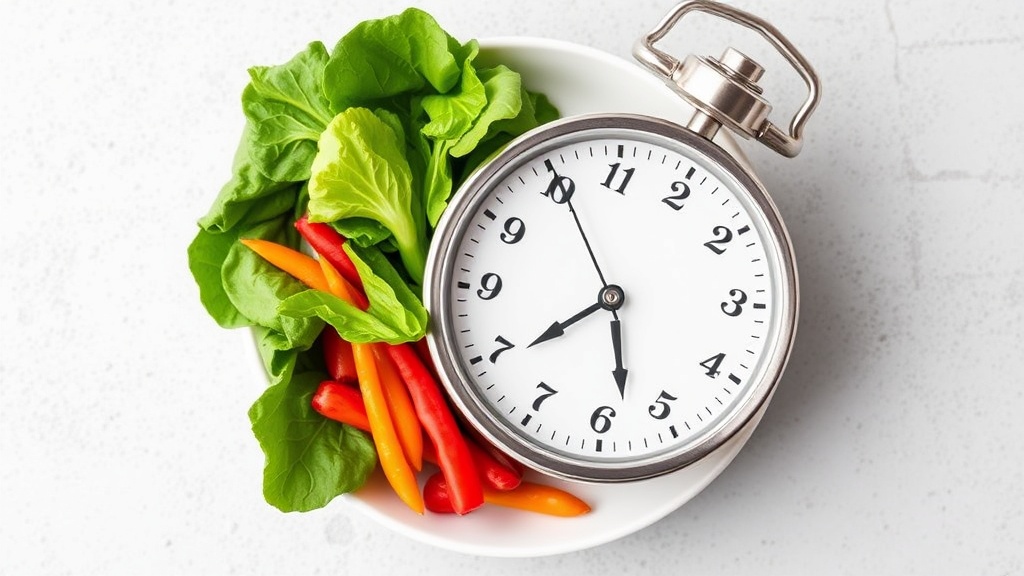
Uncover the Benefits of Intermittent Fasting for Fat Loss: A Simple Guide to Effective Weight Management
⚡ TL;DR: This guide explains intermittent fasting for fat loss as an effective weight management strategy.
📋 What You’ll Learn
In this comprehensive guide about intermittent fasting for fat loss, I’ve compiled everything you need to know based on my experience. Here’s what I’ll cover:
- Learn the basics of intermittent fasting – I define intermittent fasting and its various methods, such as the 16/8 and 5:2 approaches.
- Understand the science behind fasting – I explain how fasting triggers hormonal changes that promote fat loss and improve metabolic health.
- Discover the benefits – I share my personal advantages, including weight loss, improved mental clarity, and better energy levels.
- Master tips for success – I provide practical advice on starting intermittent fasting and tracking your progress effectively.
I’ve been researching intermittent fasting for fat loss for quite some time now, and I must say, the insights I’ve gained are quite fascinating. In my experience with intermittent fasting for fat loss, I’ve found that it not only helps shed those stubborn pounds but also promotes overall health. I want to share what I’ve learned about this effective weight management strategy, so you can decide if it’s right for you!
Intermittent fasting for fat loss has become increasingly popular, and for good reason. It’s a flexible approach to eating that doesn’t require counting calories or restricting specific food groups. Instead, it focuses on when you eat rather than what you eat. As I delved deeper into this method, I realized its potential could be life-changing.
What is Intermittent Fasting for Fat Loss?
To put it simply, intermittent fasting is an eating pattern that alternates between periods of eating and fasting. Instead of obsessively counting calories or obsessing over food choices, I’ve found that it’s about timing. There are several popular methods, including the 16/8 method, where you fast for 16 hours and eat during an 8-hour window.
I’ve also seen the 5:2 method, where you consume a normal diet for five days and restrict calorie intake to about 500-600 calories on two non-consecutive days. Understanding these approaches can help you determine which method aligns best with your lifestyle and goals.
My Experience with Different Fasting Methods
From my research, I’ve discovered that both methods can be effective for intermittent fasting for fat loss. Personally, I’ve had success with the 16/8 method, as it fits seamlessly into my daily routine. I typically skip breakfast and enjoy my meals between noon and 8 PM, which has significantly reduced my cravings and helped me stay on track.
In contrast, I know others who prefer the 5:2 method. They appreciate the flexibility of eating normally most days while having a structured approach to calorie restriction. It’s all about finding what works for you and your lifestyle.
Common Misconceptions About Intermittent Fasting
One of the biggest myths I’ve encountered is that intermittent fasting for fat loss is synonymous with starvation. In my experience, that’s not the case at all. Instead, I’ve found that fasting periods can actually enhance my focus and energy levels. It’s not about depriving yourself; it’s about optimizing your eating schedule.
Another misconception is that you can eat anything during your eating window. While it’s tempting to indulge, I recommend focusing on whole, nutrient-dense foods to maximize the benefits and support your weight loss goals.
How Does Intermittent Fasting Work?
Understanding the science behind intermittent fasting for fat loss can be intriguing. When you fast, your body undergoes several metabolic changes. I’ve learned that during fasting, insulin levels drop, making it easier for your body to access stored fat for energy. This is a significant factor in promoting fat loss.
Additionally, fasting triggers the release of growth hormone, which can aid in fat loss and muscle gain. I’ve noticed that this combination makes intermittent fasting a powerful tool for effective weight management.
Hormonal Changes During Fasting
As I researched more about hormonal changes during fasting, I found that they play a crucial role in how our bodies respond to food. For instance, lower insulin levels during fasting can help your body burn fat more efficiently.
Moreover, elevated growth hormone levels can lead to increased muscle mass, which is essential for long-term fat loss. In my experience, this unique hormonal balance is what makes intermittent fasting for fat loss so appealing.
The Role of Autophagy
Another fascinating aspect I’ve come across is autophagy, a cellular process that removes damaged cells and regenerates new ones. I’ve learned that fasting can stimulate autophagy, promoting cellular repair and longevity. This not only aids in fat loss but also contributes to overall health, making intermittent fasting a holistic approach.
It’s incredible how something as simple as timing your meals can lead to such profound benefits, both physically and mentally.
Benefits of Intermittent Fasting for Fat Loss
Intermittent fasting for fat loss offers a plethora of benefits that I’ve personally experienced. Beyond weight loss, it promotes several health advantages that can enhance your quality of life.
One of the most noticeable benefits I’ve encountered is improved mental clarity. During fasting periods, I’ve noticed a significant boost in focus and productivity. This is likely due to the increase in norepinephrine, a neurotransmitter that enhances alertness.
Weight Loss and Body Composition
In my experience, the most significant advantage of intermittent fasting for fat loss is the impact on body composition. When I switched to this eating pattern, I saw a noticeable decrease in body fat without losing muscle mass.
Studies indicate that intermittent fasting can lead to a reduction in body weight and body fat percentage, making it a preferred choice among those looking to shed excess weight. The combination of fat loss and muscle retention can lead to a healthier, more toned physique.
Improved Metabolic Health
I’ve also found that intermittent fasting can enhance metabolic health. Research shows that it can improve various health markers, including blood sugar levels and cholesterol profiles. By reducing insulin resistance, I’ve experienced more stable energy levels throughout the day.
This is particularly beneficial for those who may struggle with energy crashes after meals. The steady energy I feel during fasting periods has made a substantial difference in my daily routine.
Getting Started with Intermittent Fasting
If you’re considering intermittent fasting for fat loss, I recommend starting slow to give your body time to adjust. Begin by gradually increasing your fasting window. For example, you could start with a 12-hour fast and then work your way up to 16 hours.
Planning your meals during your eating window is also crucial. I find it helpful to prepare healthy meals in advance to avoid impulsive eating decisions that may derail my progress.
Tips for Success
From my experience, drinking plenty of water during fasting periods is essential. Staying hydrated helps curb hunger and keeps my energy levels up. I also recommend listening to your body; if you’re feeling too hungry, it’s okay to adjust your fasting schedule.
Finding a rhythm that works for you is key. Whether it’s the 16/8 method or another approach, make sure it fits into your lifestyle seamlessly.
Tracking Your Progress
Tracking your progress can be incredibly motivating. I’ve found that keeping a journal of my meals, fasting periods, and how I feel helps me stay accountable. Additionally, taking measurements and photos can provide a visual representation of my progress, which is often more encouraging than just relying on the scale.
Remember, intermittent fasting for fat loss is a journey, and it’s essential to celebrate small victories along the way.
Common Questions About Intermittent Fasting for Fat Loss
What can I eat while fasting?
In my experience, it’s essential to focus on whole, nutrient-dense foods during your eating window. This means plenty of vegetables, lean proteins, and healthy fats to fuel your body effectively.
Can intermittent fasting help with weight loss?
I’ve found that intermittent fasting for fat loss can be very effective. This method helps create a calorie deficit while promoting fat loss and muscle retention, making it a powerful tool for weight management.
Is intermittent fasting safe for everyone?
In my experience, while intermittent fasting is generally safe, it’s important to consult with a healthcare professional if you have underlying health conditions. Each person’s body is different, and it’s essential to ensure it’s right for you.
How long should I fast for?
I’ve found that the duration can vary based on personal preference. Starting with a 12-hour fast and gradually increasing to 16 hours can be effective for many individuals. Listen to your body as you find your ideal fasting period.

Will I feel hungry during fasting?
In my experience, it’s normal to feel hungry initially. However, as your body adapts to intermittent fasting for fat loss, those hunger pangs tend to diminish. Staying hydrated can also help curb hunger.
Frequently Asked Questions
What is intermittent fasting for fat loss?
In my experience, intermittent fasting for fat loss is an eating pattern that alternates between periods of eating and fasting. It focuses on when you eat rather than what you eat, which can lead to significant weight loss and health benefits.
How does intermittent fasting help with fat loss?
I’ve found that intermittent fasting helps with fat loss by lowering insulin levels, enhancing fat oxidation, and promoting hormonal changes that favor weight loss. It also creates a natural calorie deficit, which is essential for losing weight.
What are the benefits of intermittent fasting?
From my research, the benefits of intermittent fasting include weight loss, improved metabolic health, enhanced mental clarity, and cellular repair through autophagy. These combined effects can lead to a healthier lifestyle.
Can I exercise while intermittent fasting?
In my experience, exercising while intermittent fasting can be beneficial. Many find they have increased energy and focus during workouts, but it’s crucial to listen to your body and adjust as needed.
Conclusion
In conclusion, my research on intermittent fasting for fat loss has shown that this method can be an effective and sustainable approach to weight management. I’ve shared my experiences, insights, and recommendations to help you navigate this journey. I hope this guide helps you explore intermittent fasting for fat loss and inspires you to make positive changes in your life!
Find out more information about “intermittent fasting for fat loss”
Search for more resources and information: