Achieve Your Dream Body: The Ultimate Guide to the Best Diet for Fat Loss
⚡ TL;DR: This guide explains the best diet for fat loss through balanced nutrition and sustainable habits.
📋 What You’ll Learn
In this comprehensive guide about best diet for fat loss, I’ve compiled everything you need to know based on my research. Here’s what I’ll cover:
- Understand the science of fat loss – I’ve learned that creating a caloric deficit is essential for effective fat loss.
- Master macronutrient balance – Prioritizing protein and healthy fats while choosing whole food carbs is crucial in my diet.
- Discover meal planning techniques – I’ve found that planning and prepping meals in advance helps me stay on track.
- Track progress effectively – Keeping a food diary has been key in monitoring my habits and celebrating non-scale victories.
I’ve been researching the best diet for fat loss for years, and I want to share what I’ve learned with you. In my experience, navigating through all the diet trends can be overwhelming, especially when it seems like every week there’s a new “miracle” plan. But focusing on the best diet for fat loss is crucial for sustainable results.
From my research, I’ve discovered that the best diet for fat loss isn’t about deprivation or extreme restrictions. Instead, it’s about finding a balanced approach that works for you. This guide aims to break down the components of an effective fat loss diet and help you achieve your dream body!
Understanding Fat Loss
Fat loss is not just about what you eat; it’s about understanding how your body processes food and utilizes energy. When I first started, I believed that simply cutting calories was enough, but I quickly learned that it’s more complex than that.
The Science Behind Fat Loss
In my experience, fat loss occurs when you create a caloric deficit, which means you consume fewer calories than your body burns. Understanding your basal metabolic rate (BMR) and daily energy expenditure (TDEE) is crucial. I recommend using an online calculator to get a baseline for your needs.
I’ve found that incorporating strength training and cardio into your routine can significantly enhance fat loss. A combination of both not only helps in burning calories but also builds muscle, which can increase your BMR over time.
Setting Realistic Goals
When I first started my journey, I set lofty goals that were hard to maintain. I’ve learned that setting realistic, achievable goals is key. Aim for losing 1-2 pounds per week; this is a healthy rate of fat loss that is sustainable.
In my experience, breaking down your larger goals into smaller, manageable milestones helps keep you motivated. Celebrate the small victories—whether that’s losing a pound or fitting into a smaller size.
Components of the Best Diet for Fat Loss
Now, let’s dive into what constitutes the best diet for fat loss. I’ve discovered that it involves a mix of macronutrients, micronutrients, and overall dietary patterns.
Macronutrients: The Building Blocks
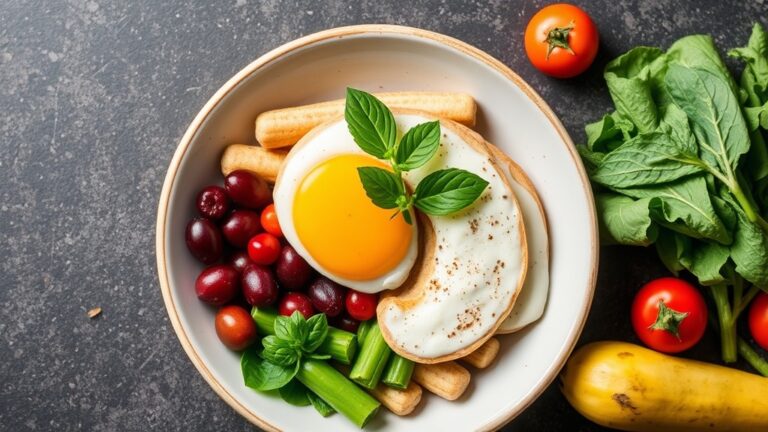
Understanding macronutrients—proteins, fats, and carbohydrates—is essential for the best diet for fat loss. I’ve found that prioritizing protein can help with satiety and muscle preservation during weight loss. Aim for lean sources like chicken, fish, legumes, and tofu.
Healthy fats are also vital. Avocados, nuts, and olive oil not only provide energy but also help in nutrient absorption. Carbohydrates should come from whole foods like fruits, vegetables, and whole grains, which provide fiber and essential nutrients.
Micronutrients Matter Too
In my research, I’ve realized that micronutrients—vitamins and minerals—are just as important. A diet rich in colorful fruits and vegetables can provide the necessary nutrients that support overall health and metabolism. I recommend focusing on variety to ensure you’re getting a broad spectrum of nutrients.
Supplements can be useful, but I believe it’s best to get nutrients from whole foods whenever possible. This approach supports not only fat loss but overall wellness.
Meal Planning and Preparation
Meal planning has been a game-changer in my fat loss journey. I’ve learned that preparing meals ahead of time can help me stick to my dietary goals and avoid impulsive eating.
Creating a Weekly Meal Plan
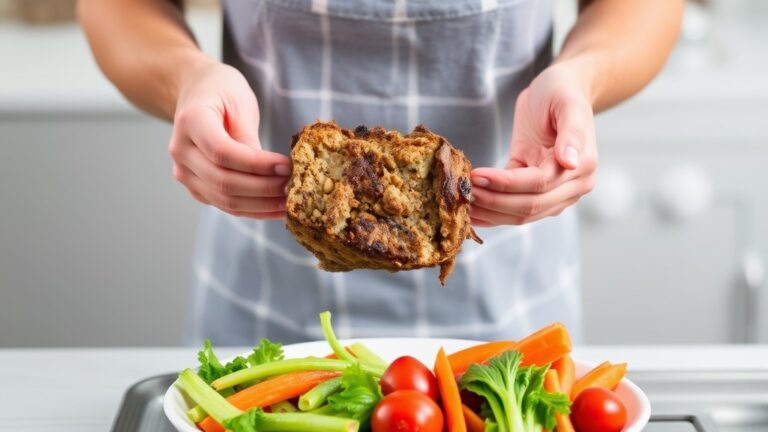
To implement the best diet for fat loss effectively, I’ve developed a simple weekly meal plan. I usually spend time each Sunday preparing meals for the week, which includes breakfast, lunch, and dinner options. This prevents last-minute decisions that could derail my progress.
A sample meal might include grilled chicken with quinoa and steamed broccoli. Having healthy snacks like nuts or Greek yogurt on hand is also essential to avoid unhealthy snacking.
Batch Cooking Techniques
I’ve found that batch cooking can save time and ensure I have healthy meals ready to go. Cooking large portions of grains or proteins and storing them in the fridge can make meal assembly a breeze during the week.
Using clear containers helps me visualize what I have available, promoting variety and preventing boredom. I always encourage friends to experiment with different spices and herbs to keep meals exciting!
Monitoring Progress
Tracking progress is a crucial aspect of the best diet for fat loss. I’ve learned that it’s not just about the scale; there are many ways to measure success.
Using a Food Diary
Keeping a food diary has been an enlightening experience for me. I note what I eat, how I feel, and any cravings I might encounter. This practice helps me identify patterns and make adjustments as needed.
Apps are also handy for tracking food intake and exercise. I’ve found that visualizing my habits can motivate me to stay on track.
Celebrating Non-Scale Victories
In my experience, focusing solely on weight can be discouraging. I recommend celebrating non-scale victories, such as increased energy levels, improved mood, or fitting into favorite clothes again. These milestones are just as important in the journey towards fat loss.
By acknowledging these achievements, I feel more motivated to continue my efforts, reinforcing a positive mindset around my diet and lifestyle.
Common Questions About best diet for fat loss
What is the best diet for fat loss?
In my experience, the best diet for fat loss is one that balances macronutrients, emphasizes whole foods, and is sustainable for your lifestyle. It’s not just about restriction; it’s about creating a lifestyle that promotes healthy eating habits.
How can I stay motivated on my diet?
I’ve found that setting realistic goals and tracking progress through a food diary helps maintain motivation. Celebrating small victories along the way also keeps me inspired to stick to my diet.
Is exercise necessary for fat loss?
While I’ve learned that diet plays a significant role in fat loss, exercise complements it well. Combining strength training and cardio can enhance fat loss and improve overall health.
How long does it take to see results?
In my experience, seeing results can take time. A steady weight loss of 1–2 pounds per week is a realistic expectation. Patience and consistency are key!
Can I have cheat meals on the best diet for fat loss?
Absolutely! I believe that incorporating occasional cheat meals can help keep you sane and prevent feelings of deprivation. Moderation is essential, so enjoy your favorites without guilt!
How do I avoid plateaus in my fat loss journey?
I’ve found that changing up my routine, whether through adjusting calorie intake or varying workouts, can help overcome plateaus. Staying flexible with my approach keeps progress moving forward.
Frequently Asked Questions
What is the best diet for fat loss?
In my experience, the best diet for fat loss focuses on whole foods, balances macronutrients, and is tailored to your lifestyle. Sustainable changes yield the best long-term results.
Can I lose weight without exercising?
While I’ve discovered that diet plays a major role in fat loss, incorporating exercise can enhance results. It’s possible to lose weight through diet alone, but exercise improves overall health.
How do I stay on track with my diet?
In my experience, meal prepping and tracking my food intake have been crucial for staying on track. Setting achievable goals also keeps me motivated and focused.
What’s the most important factor for fat loss?
I’ve learned that creating a caloric deficit is the most important factor for fat loss. This means burning more calories than you consume, which can be achieved through diet and exercise.
How can I prevent weight regain?
In my experience, maintaining healthy habits and continuing to track my diet after reaching my goal weight has been key to preventing weight regain. Consistency is essential!
Conclusion
In conclusion, my research on the best diet for fat loss has shown that it involves a balanced approach, focusing on whole foods and macronutrient balance. I hope this guide helps you navigate your own journey towards achieving your dream body. Remember, the best diet for fat loss is one that fits your lifestyle and keeps you motivated!
Find out more information about “best diet for fat loss”
Search for more resources and information: