Unlock a Healthier You with These Comprehensive Diet Meal Plans for Weight Loss
⚡ TL;DR: This guide explains diet meal plans for weight loss.
📋 What You’ll Learn
In this comprehensive guide about diet meal plans for weight loss, I’ve compiled everything you need to know based on my experience. Here’s what I’ll cover:
- Learn the basics – Understanding how diet meal plans help manage calorie intake while ensuring nutrient needs.
- Discover meal prep tips – I’ve found that planning meals in advance saves time and prevents unhealthy choices.
- Master portion control – Recognizing the importance of serving sizes has been key to my weight loss journey.
- Understand the benefits – Following a structured meal plan has improved my nutritional intake and eating habits.
I’ve been researching the best ways to achieve my weight loss goals, and a big part of that journey has included exploring various diet meal plans for weight loss. In my experience with diet meal plans for weight loss, I’ve found that having a structured plan really makes a difference. It helps me stay focused and motivated while also ensuring that I’m nourishing my body with the right foods.
What I want to share with you today are insights and strategies that I’ve gathered about diet meal plans for weight loss. I hope that by the end of this article, you’ll feel equipped to embark on your own journey toward a healthier lifestyle.
Understanding Diet Meal Plans for Weight Loss
When it comes to diet meal plans for weight loss, understanding the basics is crucial. These plans are designed to help you lose weight by managing your calorie intake while ensuring that you get the nutrients you need. I’ve learned that a balanced diet not only supports weight loss but also promotes overall health.
One key aspect of any diet meal plan for weight loss is the importance of portion control. I remember when I first started, I was surprised at how much food I could eat while still losing weight. It’s all about choosing the right foods and monitoring the quantities. By focusing on whole grains, lean proteins, and plenty of fruits and vegetables, I’ve been able to create meals that are satisfying without being calorie-dense.
Another important factor is meal prep. In my experience, taking the time to plan and prepare meals in advance has saved me from making unhealthy last-minute choices. By having healthy options readily available, I find that I’m more likely to stick to my diet meal plans for weight loss.
What Makes a Good Diet Meal Plan?
I’ve discovered that a good diet meal plan for weight loss should be realistic and flexible. It needs to fit your lifestyle, preferences, and any dietary restrictions you might have. For instance, if you’re someone who enjoys cooking, incorporating diverse recipes can keep things exciting. On the other hand, if you’re always on the go, having quick, easy meals prepared can be a lifesaver.
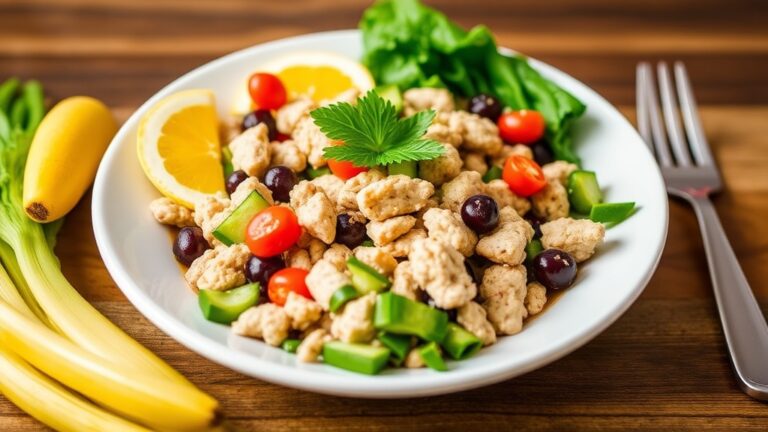
From my research, I’ve found that the best meal plans often include a variety of foods to prevent boredom. Think of it as creating a colorful plate. The more colors you have, the more nutrients you are likely to consume, which is essential for maintaining your energy levels while losing weight.
It’s also vital to listen to your body. I’ve learned that hunger cues are important indicators of what my body needs. Instead of strictly adhering to a meal plan, I sometimes adjust based on how I feel. This approach has made my journey much more enjoyable.
Integrating Healthy Snacks
In my experience with diet meal plans for weight loss, snacks can be both a blessing and a curse. When planned wisely, healthy snacks can provide energy between meals and prevent overeating. I often include options like yogurt, nuts, or fruit to keep my metabolism active.
However, I’ve also found that it’s easy to let snacks derail my progress. Portion control is essential here, too. I recommend pre-portioning snacks into small containers to avoid mindless munching. This way, I can enjoy my favorite snacks without overindulging.
Creating Your Personalized Diet Meal Plans for Weight Loss
Creating a personalized diet meal plan for weight loss can feel daunting, but I’ve learned that breaking it down into manageable steps makes the process smoother. It’s essential to assess your current eating habits and identify areas for improvement.
For instance, I started by keeping a food diary to track what I was eating and when. This practice helped me pinpoint unhealthy habits, like late-night snacking or skipping meals. Once I recognized these patterns, I could adjust my meal plan accordingly.
Assessing Your Caloric Needs
To create an effective diet meal plan for weight loss, it’s crucial to understand your caloric needs. I’ve found that calculating your basal metabolic rate (BMR) provides a good starting point. This figure represents the number of calories your body needs to maintain basic functions at rest.
From there, I typically subtract a certain number of calories for weight loss—around 500 calories a day is a common guideline. This deficit can lead to about a pound of weight loss per week, which is sustainable for most people.
It’s important to remember that drastic calorie cuts can backfire. I’ve learned that moderate changes yield better long-term results. Instead of focusing solely on calorie counting, I also prioritize the quality of my food choices.
Incorporating Variety
One strategy that has worked wonders for me in diet meal plans for weight loss is incorporating variety. I try to rotate different proteins, grains, and vegetables weekly to keep my meals exciting. For example, one week I might focus on salmon, quinoa, and kale, while the next week could be all about chicken, brown rice, and broccoli.
This variety not only keeps me satisfied but also ensures that I get a broad spectrum of nutrients. I remember how monotonous my meals used to be, and now, I genuinely look forward to eating.
Benefits of Following Diet Meal Plans for Weight Loss
Following a structured diet meal plan for weight loss comes with numerous benefits. For one, it helps eliminate decision fatigue. I’ve noticed that when I have a plan, I spend less time worrying about what to eat, which allows me to focus on other aspects of my life.
Additionally, diet meal plans for weight loss provide a sense of accountability. When I have a clear plan, I feel more committed to my goals. It’s like having a roadmap that guides my choices, making it less likely for me to stray off course.
Improved Nutritional Intake
One of the best outcomes of sticking to my diet meal plans for weight loss is the improvement in my nutritional intake. I’ve learned that planning my meals helps me prioritize whole, nutrient-dense foods. Instead of reaching for processed snacks, I find myself opting for fruits, veggies, and whole grains.
This shift has not only supported my weight loss goals but has also made me feel more energetic and vibrant. I often catch myself enjoying foods I never thought I would like, all because I’ve taken the time to experiment within my meal plan.
Better Eating Habits
In my journey, adhering to diet meal plans for weight loss has cultivated healthier eating habits. I no longer view food as a reward or comfort but rather as fuel for my body. This mental shift has been transformative.
I’ve found that being mindful about what I eat leads to more thoughtful choices. I savor each meal, appreciating the flavors and textures, rather than mindlessly munching. This mindfulness has made my relationship with food much more positive.
Common Mistakes to Avoid with Diet Meal Plans for Weight Loss
Even with the best intentions, it’s easy to fall into traps when following diet meal plans for weight loss. One common mistake I’ve encountered is being too restrictive. I’ve learned that deprivation often leads to cravings and binge eating. Instead, I focus on moderation and balance.
Another pitfall is failing to adapt the meal plan to your lifestyle. I remember trying to stick to a rigid plan that didn’t fit my schedule, which made me feel overwhelmed. Flexibility is key. I’ve found that adjusting my plan to accommodate social events or busy days keeps me on track without feeling deprived.
Ignoring Portion Sizes
A significant mistake many make is ignoring portion sizes. In my experience, even healthy foods can contribute to weight gain if consumed in large quantities. I recommend using measuring cups or a food scale initially to grasp how much you’re eating.
Once I became more aware of portion sizes, I felt more in control of my meals. It’s not about counting every calorie, but rather understanding appropriate serving sizes for my specific needs.
Neglecting to Plan Ahead
Planning ahead is crucial when it comes to diet meal plans for weight loss. I’ve learned the hard way that failing to prepare can lead to unhealthy choices. I’ve started dedicating a few hours each week to meal prep, which has made a significant difference.
By having meals ready to go, I’m less likely to resort to takeout or unhealthy snacks when hunger strikes. This proactive approach has kept me aligned with my weight loss goals.
Common Questions About diet meal plans for weight loss
What is the best diet meal plan for weight loss?
In my experience, the best diet meal plan for weight loss is one that fits your lifestyle, preferences, and dietary needs. It’s essential to focus on whole foods while maintaining a calorie deficit. Personalization is key!
How quickly can I expect to lose weight with a diet meal plan?
I’ve found that a safe and sustainable weight loss rate is about 1-2 pounds per week. This varies based on individual factors, but consistency with your meal plan is crucial. Patience pays off!
Can I eat snacks while following a diet meal plan for weight loss?
Absolutely! In my experience, healthy snacks can actually support weight loss by preventing overeating at meal times. Aim for nutrient-dense options to keep your energy levels up!
Are diet meal plans for weight loss effective for everyone?
I’ve found that while many people benefit from diet meal plans, effectiveness can vary based on personal preferences and lifestyles. It’s essential to find a plan that works for you and is sustainable in the long run.
How do I stay motivated while following a diet meal plan?
In my experience, setting small, achievable goals and tracking progress can help maintain motivation. Celebrate your successes, no matter how small, and remember your reasons for wanting to lose weight!
What should I do if I hit a plateau on my diet meal plan for weight loss?
I recommend reassessing your meal plan and making adjustments if needed. Sometimes, changing your calorie intake or incorporating new foods can help break through a plateau. Keep experimenting!
Is it important to consult a professional when starting diet meal plans for weight loss?
In my experience, consulting a registered dietitian can provide valuable insights tailored to your needs. They can help create a balanced plan and ensure you’re meeting your nutritional requirements.

Frequently Asked Questions
What is the best diet meal plan for weight loss?
In my experience, the best diet meal plan for weight loss is one that fits your lifestyle, preferences, and dietary needs. It’s essential to focus on whole foods while maintaining a calorie deficit. Personalization is key!
How quickly can I expect to lose weight with a diet meal plan?
I’ve found that a safe and sustainable weight loss rate is about 1-2 pounds per week. This varies based on individual factors, but consistency with your meal plan is crucial. Patience pays off!
Can I eat snacks while following a diet meal plan for weight loss?
Absolutely! In my experience, healthy snacks can actually support weight loss by preventing overeating at meal times. Aim for nutrient-dense options to keep your energy levels up!
Are diet meal plans for weight loss effective for everyone?
I’ve found that while many people benefit from diet meal plans, effectiveness can vary based on personal preferences and lifestyles. It’s essential to find a plan that works for you and is sustainable in the long run.
How do I stay motivated while following a diet meal plan?
In my experience, setting small, achievable goals and tracking progress can help maintain motivation. Celebrate your successes, no matter how small, and remember your reasons for wanting to lose weight!
What should I do if I hit a plateau on my diet meal plan for weight loss?
I recommend reassessing your meal plan and making adjustments if needed. Sometimes, changing your calorie intake or incorporating new foods can help break through a plateau. Keep experimenting!
Is it important to consult a professional when starting diet meal plans for weight loss?
In my experience, consulting a registered dietitian can provide valuable insights tailored to your needs. They can help create a balanced plan and ensure you’re meeting your nutritional requirements.
Conclusion
In conclusion, my research on diet meal plans for weight loss has shown that having a structured approach is beneficial. By personalizing your plan and incorporating variety, you can achieve your weight loss goals while still enjoying delicious meals. I hope this guide helps you navigate your journey toward a healthier lifestyle with effective diet meal plans for weight loss. Remember, it’s all about finding what works best for you!
Find out more information about “diet meal plans for weight loss”
Search for more resources and information: