Revamp Your Plate: A Flavorful Weight Loss Diet That Works Wonders for Health and Happiness
⚡ TL;DR: This guide explains a flavorful weight loss diet that promotes health and happiness.
📋 What You’ll Learn
In this comprehensive guide about weight loss diet, I’ve compiled everything you need to know based on my journey and research. Here’s what I’ll cover:
- Discover the importance of variety – I’ve learned that incorporating diverse foods keeps my weight loss diet exciting and enjoyable.
- Master mindful eating – I’ve found that savoring each bite enhances my satisfaction and helps curb cravings.
- Understand the role of emotional health – I’ve addressed emotional eating by focusing on healthier outlets like exercise and meditation.
- Learn effective meal planning strategies – I’ve experienced that planning meals in advance helps maintain my commitment to a weight loss diet.
I’ve been researching different approaches to a weight loss diet for a while now, and I want to share what I’ve learned. In my experience with weight loss diets, it’s not just about cutting calories; it’s about revamping how I view food. A successful weight loss diet should be satisfying and enjoyable, not restrictive and boring.
Through trial and error, I’ve discovered that a flavorful weight loss diet can lead to both health and happiness. I believe that when we enjoy the meals we eat, we are more likely to stick with our dietary changes long-term.
My Journey with a Weight Loss Diet
The journey of discovering a weight loss diet that truly works for me was enlightening. It required more than just self-discipline; it demanded a shift in mindset. I’ve learned to embrace food as nourishment rather than viewing it solely as a means to lose weight.
Food should be a celebration of flavors and health. When I started incorporating a variety of ingredients and spices into my meals, I found it easier to stay committed to my weight loss diet. This approach not only made eating more enjoyable but also encouraged me to explore new culinary experiences.
Embracing Variety in My Weight Loss Diet
In my experience, variety is key to maintaining motivation with a weight loss diet. I used to follow rigid meal plans, but they often left me feeling deprived. By incorporating a diverse range of foods, I’ve been able to create meals that are not only nutritious but exciting.
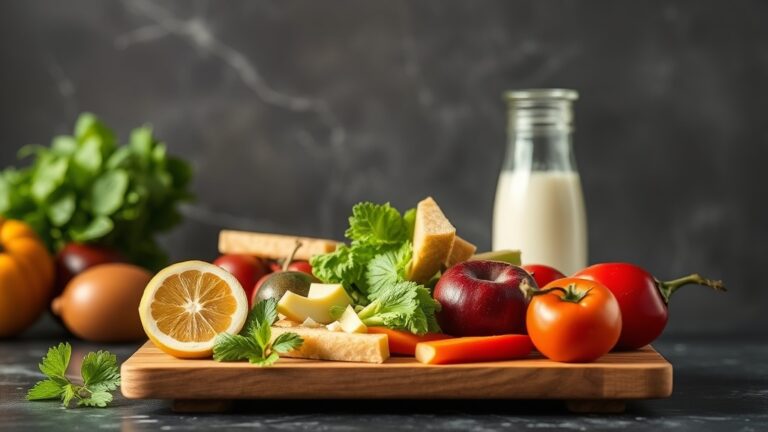
For instance, I love experimenting with different grains, like quinoa and farro, as well as a rainbow of vegetables. This variety not only adds color to my plate but also ensures I’m getting a wide array of nutrients.
Mindful Eating and Its Impact
I’ve discovered that mindful eating plays a crucial role in my weight loss diet. Taking the time to savor each bite has changed how I experience food. By slowing down and appreciating the flavors and textures, I find myself more satisfied with smaller portions.
This practice has enhanced my relationship with food. Instead of rushing through meals, I focus on being present, which has helped curb my cravings and prevent overeating.
The Role of Emotional Health
From my research, I’ve found that emotional health is often overlooked in discussions about a weight loss diet. Stress, anxiety, and other emotional factors can lead to unhealthy eating habits. I’ve learned to address these emotions in healthier ways, like through exercise and meditation, rather than turning to food for comfort.
This holistic approach has not only improved my mood but has also made sticking to my weight loss diet feel more manageable.
Key Components of an Effective Weight Loss Diet
Creating a weight loss diet that works for me involved identifying key components that promote a healthy lifestyle. I’ve broken these down into manageable elements that anyone can implement.
These components are not just about losing weight; they’re about fostering a healthier relationship with food. I believe that understanding these elements can help you design a sustainable weight loss diet that fits your lifestyle.
Balanced Macronutrients
I’ve found that balancing macronutrients—carbohydrates, proteins, and fats—has been essential in my weight loss diet. Each macronutrient plays a unique role in supporting my body’s needs.
For example, I ensure that I include lean proteins, healthy fats, and complex carbs in every meal. This balance keeps me energized throughout the day and helps prevent those dreaded energy crashes.
Hydration is Key
In my experience, hydration is a crucial yet often overlooked component of a weight loss diet. Drinking enough water not only aids in digestion but also helps control hunger.
I’ve made it a habit to carry a water bottle with me, which serves as a constant reminder to stay hydrated. This simple change has significantly impacted my cravings and overall energy levels.
Incorporating Superfoods
I recommend incorporating superfoods into your weight loss diet for added health benefits. Foods like kale, berries, and avocados are packed with nutrients and can enhance overall wellness.
These ingredients not only provide vital vitamins and minerals but also contribute to a feeling of fullness, making it easier to stick to my dietary goals.
Delicious Recipes for Your Weight Loss Diet
When it comes to a weight loss diet, I believe that delicious recipes can make all the difference. I’ve compiled some of my favorite meals that are both satisfying and easy to prepare.
These recipes are designed to bring joy back into your eating routine while supporting your health goals.
Breakfast Ideas
Starting my day with a nutritious breakfast has been a game changer for my weight loss diet. One of my go-to meals is a smoothie bowl topped with fresh fruits and nuts. It’s vibrant, delicious, and sets a positive tone for the day.
I also enjoy overnight oats with chia seeds and almond milk. This combination keeps me full for hours and provides a great energy boost.
Lunch and Dinner Options
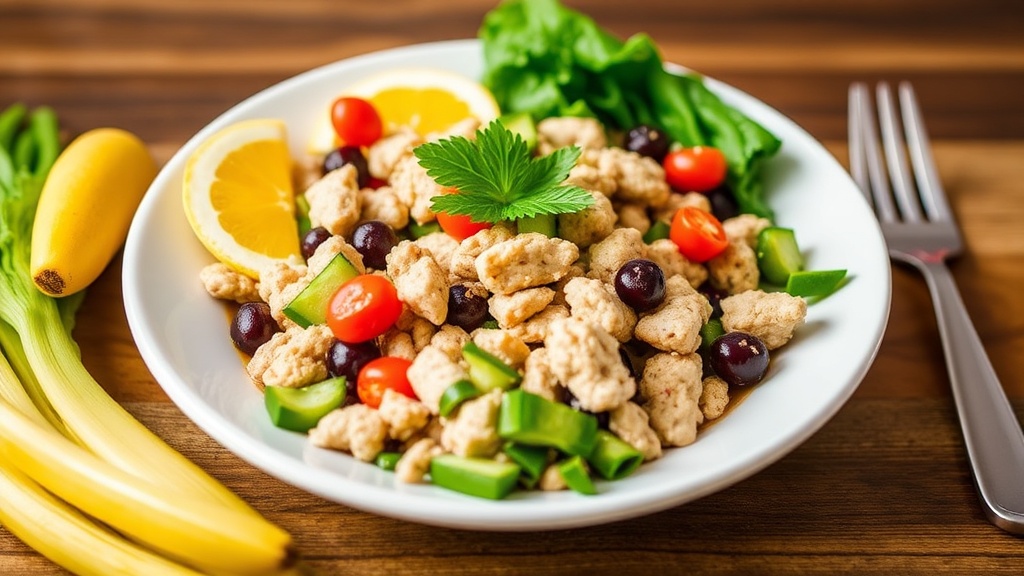
For lunch, I often prepare a quinoa salad loaded with colorful veggies and a light vinaigrette. It’s refreshing and perfect for meal prep! Dinner, on the other hand, might be a grilled salmon with asparagus and sweet potato, providing a balance of flavors and nutrients.
These meals not only support my weight loss diet but also keep my taste buds happy.
Snacking Smart
In my experience, healthy snacking is essential for maintaining energy levels throughout the day. I’ve found that having pre-portioned snacks, like nuts or cut-up veggies with hummus, prevents mindless eating.
Snacking smartly helps me stay on track with my weight loss diet, ensuring I don’t reach for unhealthy options when hunger strikes.
Tips for Sticking to Your Weight Loss Diet
Sticking to a weight loss diet can be challenging, but I’ve discovered some effective strategies that have worked for me. The key is to create a supportive environment that fosters healthy choices.
Here are some tips that I’ve found particularly helpful in maintaining my commitment to my weight loss diet.
Set Realistic Goals
I recommend setting realistic and achievable goals within your weight loss diet. When I first started, I aimed for small, incremental changes rather than drastic transformations.
This approach not only made my journey more manageable but also allowed me to celebrate small victories along the way.
Meal Planning
Meal planning has been a game changer for my weight loss diet. By dedicating a little time each week to plan my meals, I’ve been able to save time and avoid unhealthy last-minute choices.
I find that having a variety of meals ready to go keeps me excited about eating healthy.
Stay Accountable
I’ve found that sharing my weight loss diet journey with friends or family can help keep me accountable. Whether it’s through social media or a support group, having someone to share successes and challenges with makes the process more enjoyable.
This sense of community encourages me to stay committed and motivated.
Common Questions About weight loss diet
What is the best weight loss diet?
In my experience, the best weight loss diet is one that fits your lifestyle and preferences. It should be balanced, enjoyable, and sustainable for long-term success.
How do I start a weight loss diet?
I recommend starting a weight loss diet by setting realistic goals, planning your meals, and gradually incorporating healthier foods into your routine. It’s essential to make changes that you can maintain.
Can I still eat my favorite foods on a weight loss diet?
Absolutely! I’ve found that moderation is key. Including your favorite foods occasionally can help you stick to your weight loss diet without feeling deprived.
How long does it take to see results from a weight loss diet?
In my experience, results vary based on individual factors, but typically, noticeable changes can be seen within a few weeks of commitment to a weight loss diet.
What snacks can I have on a weight loss diet?
I recommend healthy snacks like fresh fruits, nuts, and yogurt. These options are nutritious and can help keep you satisfied between meals while adhering to your weight loss diet.

Is exercise necessary for a weight loss diet?
While exercise is beneficial, I’ve found that a weight loss diet can still be effective without it. That said, combining both can yield even better results for overall health.
Frequently Asked Questions
What is a weight loss diet?
In my experience, a weight loss diet is a structured eating plan designed to help individuals lose weight by promoting healthy food choices and portion control.
How can I stay motivated on a weight loss diet?
I’ve found that setting small goals and tracking progress can help keep me motivated on my weight loss diet. Celebrating milestones is also important!
What should I avoid on a weight loss diet?
I’ve learned to avoid highly processed foods and excessive sugar on my weight loss diet. These can sabotage progress and lead to unhealthy cravings.
Can I eat carbs on a weight loss diet?
Yes! Carbohydrates can be part of a weight loss diet when chosen wisely. I focus on whole grains and limit refined carbs for better results.
Conclusion
In conclusion, my research on weight loss diet has shown that a balanced approach is key to achieving lasting results. By embracing variety, practicing mindful eating, and setting realistic goals, I’ve found that a weight loss diet can be enjoyable and fulfilling. I hope this guide helps you find your path to health and happiness through a weight loss diet that works for you.
Find out more information about “weight loss diet”
Search for more resources and information: