Achieve Your Dream Body: The Essential Blueprint for a Balanced Diet for Weight Loss
⚡ TL;DR: This guide explains how to achieve a balanced diet for weight loss.
📋 What You’ll Learn
In this comprehensive guide about balanced diet for weight loss, I’ve compiled everything you need to know based on my research. Here’s what I’ll cover:
- Understand the importance of a balanced diet – I’ve discovered that it promotes overall health while aiding weight loss.
- Master macronutrient ratios – Balancing proteins, fats, and carbohydrates has kept my energy levels stable.
- Learn practical meal prepping tips – Meal prepping has transformed my eating habits and helped control portions.
- Avoid common dieting mistakes – I’ve learned that focusing solely on calories can hinder my weight loss goals.
I’ve been researching what it takes to achieve a balanced diet for weight loss for quite some time now. In my experience with the balanced diet for weight loss approach, I’ve found that it’s not just about cutting calories but also about the quality of food you consume. It’s essential to understand that a balanced diet will help you feel satisfied while shedding those extra pounds.
In this journey, I want to share what I’ve learned about the components of a balanced diet for weight loss. I’ve discovered that the right mix of macronutrients and micronutrients plays a significant role in successful weight loss. So, let’s dive in and explore how you can craft your own nutritious path towards your dream body.
Understanding a Balanced Diet for Weight Loss
A balanced diet for weight loss isn’t just a diet; it’s a lifestyle choice. It means incorporating a variety of foods to ensure your body receives all the essential nutrients it needs. This approach not only aids in weight loss but also promotes overall health.
I’ve learned that the foundation of any successful weight loss journey is understanding what a balanced diet truly means. It’s about the harmony of proteins, carbohydrates, fats, vitamins, and minerals. Research shows that when you prioritize whole foods over processed ones, you’re setting yourself up for success.
What Does a Balanced Diet Include?
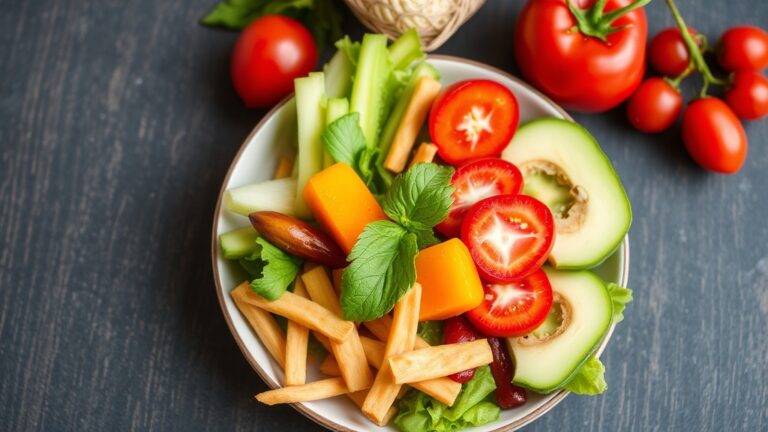
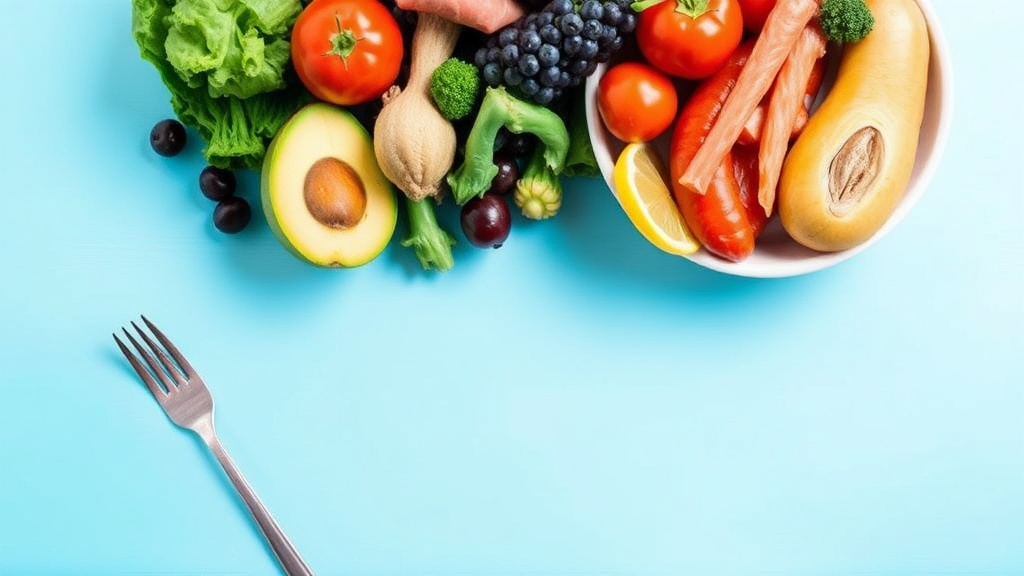
From my research, I’ve discovered that a balanced diet for weight loss includes a colorful array of fruits, vegetables, lean proteins, and whole grains. These foods provide the necessary nutrients without excessive calories.
Think of your plate as a palette; each color represents a different nutrient. For example, leafy greens offer vitamins like A and K, while bright fruits are rich in antioxidants. I recommend aiming for variety to ensure you’re covering all nutritional bases.
The Role of Portion Control
I’ve found that portion control is crucial when it comes to implementing a balanced diet for weight loss. Even healthy foods can contribute to weight gain if consumed in excess.
Using smaller plates has been a game-changer for me. It tricks the mind into feeling satisfied with less. Additionally, measuring out servings can help maintain this balance, ensuring that I enjoy my meals without overindulging.
Key Components of a Balanced Diet for Weight Loss
To construct an effective balanced diet for weight loss, you need to focus on certain key components. These elements work together to create a nutrient-rich eating pattern that keeps you energized and satisfied.
I’ve discovered that understanding macronutrients—proteins, fats, and carbohydrates—plays a pivotal role in this process. Each of these has a specific function in the body and should be included in your daily meals.
Macronutrients: The Building Blocks
In my experience, balancing macronutrients is essential for a successful weight loss plan. Proteins help build and repair tissues, fats support cell growth, while carbohydrates provide energy.
I aim for a macronutrient ratio that feels right for my body—usually around 40% carbs, 30% proteins, and 30% healthy fats. This balance keeps my energy levels stable throughout the day and prevents cravings.
Micronutrients: Don’t Overlook Them!
While macronutrients get the spotlight, I’ve learned that micronutrients are equally important in a balanced diet for weight loss. Vitamins and minerals support various bodily functions, from metabolism to immunity.
Incorporating a variety of fruits and vegetables into my meals has been my secret weapon to ensure I’m not missing out on these vital nutrients. I often refer to meal planning as an art that incorporates both macronutrients and micronutrients seamlessly.
Practical Tips to Implement Your Balanced Diet for Weight Loss
Implementing a balanced diet for weight loss can feel overwhelming at first. However, I’ve found that taking small, manageable steps makes the process enjoyable rather than daunting.
Planning and preparation are key. I recommend setting aside time each week to plan meals and snacks, making it easier to stay on track.
Meal Prepping: A Game Changer
Meal prepping has completely transformed my approach to a balanced diet for weight loss. By preparing meals in advance, I can control portion sizes and ensure I’m eating nutritious options.
I typically spend a few hours on Sundays prepping meals for the week, which not only saves time but also reduces the temptation to grab unhealthy snacks. It’s like setting myself up for success before the week even begins!
Staying Hydrated
In my experience, hydration plays a significant role in maintaining a balanced diet for weight loss. Often, our bodies confuse thirst with hunger, leading to unnecessary snacking.
I’ve made it a habit to drink a glass of water before meals. This simple act not only helps with hydration but also helps regulate portion sizes. Plus, adding lemon or mint can make it more enjoyable!
Common Mistakes to Avoid with Your Balanced Diet for Weight Loss
As I navigated my journey towards a balanced diet for weight loss, I made my fair share of mistakes. Understanding these common pitfalls can help you steer clear of them.
I’ve found that awareness is the first step in avoiding these traps, making it easier to stay committed to your goals.
Focusing Solely on Caloric Intake
One major mistake I’ve noticed is focusing only on caloric intake without considering food quality. While calories matter, the nutrients and health benefits of food are paramount for lasting weight loss.
I recommend prioritizing nutrient-dense foods over processed ones. This shift not only helps in weight loss but also enhances overall health and well-being.
Neglecting Mental Well-being
I’ve learned that mental well-being is just as important as physical health in a balanced diet for weight loss. Stress and emotional eating can sabotage even the best diet plans.
Practicing mindfulness and stress management techniques has been essential for me. Whether it’s yoga, meditation, or simply taking a walk, finding what works for you can make a world of difference.
Common Questions About balanced diet for weight loss
What is a balanced diet for weight loss?
In my experience, a balanced diet for weight loss consists of various whole foods, including lean proteins, healthy fats, and plenty of fruits and vegetables. This ensures you get all the nutrients needed while creating a calorie deficit.
How can I start a balanced diet for weight loss?
I’ve found that starting with small changes, like adding more vegetables to meals and reducing processed foods, can be effective. Meal prepping and planning also help in maintaining a balanced diet.
Can I eat carbs on a balanced diet for weight loss?
Absolutely! In my experience, complex carbohydrates are crucial for energy. Focus on whole grains, fruits, and vegetables, as they provide fiber and essential nutrients.
Is it necessary to count calories on a balanced diet for weight loss?
I recommend focusing more on food quality rather than just counting calories. Understanding portion sizes and listening to your body’s hunger cues can be more beneficial in the long run.
What are some easy meals for a balanced diet for weight loss?
I’ve found that easy meals include salads with lean proteins, stir-fries with lots of veggies, and whole grain bowls. These meals are nutritious, filling, and quick to prepare!

Frequently Asked Questions
What is a balanced diet for weight loss?
In my experience, a balanced diet for weight loss consists of various whole foods, including lean proteins, healthy fats, and plenty of fruits and vegetables. This ensures you get all the nutrients needed while creating a calorie deficit.
How can I start a balanced diet for weight loss?
I’ve found that starting with small changes, like adding more vegetables to meals and reducing processed foods, can be effective. Meal prepping and planning also help in maintaining a balanced diet.
Can I eat carbs on a balanced diet for weight loss?
Absolutely! In my experience, complex carbohydrates are crucial for energy. Focus on whole grains, fruits, and vegetables, as they provide fiber and essential nutrients.
Is it necessary to count calories on a balanced diet for weight loss?
I recommend focusing more on food quality rather than just counting calories. Understanding portion sizes and listening to your body’s hunger cues can be more beneficial in the long run.
What are some easy meals for a balanced diet for weight loss?
I’ve found that easy meals include salads with lean proteins, stir-fries with lots of veggies, and whole grain bowls. These meals are nutritious, filling, and quick to prepare!
Conclusion
In conclusion, my research on balanced diet for weight loss has shown that achieving your dream body is about more than just losing weight. It’s about embracing a lifestyle that prioritizes nutritious foods and healthy habits. I hope this guide helps you navigate the path towards a balanced diet for weight loss, empowering you to make informed choices for a healthier future. Remember, small changes can lead to significant results!
Find out more information about “balanced diet for weight loss”
Search for more resources and information: