Elevate Your Wellness Journey: The Essential Guide to a Balanced Diet for Fat Loss
⚡ TL;DR: This guide explains the essentials of a balanced diet for fat loss.
📋 What You’ll Learn
In this comprehensive guide about balanced diet for fat loss, I’ve compiled everything you need to know based on my research. Here’s what I’ll cover:
- Understand the fundamentals – I’ve learned that a balanced diet includes proteins, carbs, and fats.
- Master meal planning – I’ve discovered that preparing meals in advance helps me control portions and avoid unhealthy choices.
- Learn the importance of variety – I’ve found that incorporating different food groups ensures optimal nutrient intake.
- Stay committed with realistic goals – I emphasize setting achievable targets to maintain motivation on my journey.
I’ve been researching the best ways to achieve a healthy lifestyle, and one thing stands out: the balanced diet for fat loss. It’s not just about cutting calories but understanding how to nourish your body while shedding those extra pounds. In my experience with a balanced diet for fat loss, I’ve learned that the right approach can make all the difference.
I want to share what I’ve learned about creating a balanced diet for fat loss. It’s about more than just salads and chicken breast; it’s a holistic approach that includes a variety of foods that work together to support your goals. Let’s dive into how you can elevate your wellness journey with this essential guide!
Understanding the Balanced Diet for Fat Loss
A balanced diet for fat loss is essential for anyone looking to improve their health while losing weight. It emphasizes whole foods, proper portion sizes, and the right macronutrient ratios. I find that understanding this concept is the first step toward achieving lasting results.
What is a Balanced Diet?
In my experience, a balanced diet includes a mix of proteins, carbohydrates, and fats. Each macronutrient plays a vital role in keeping us healthy. When I started focusing on macronutrients, I noticed significant changes in my energy levels and overall well-being. By ensuring that I consumed an adequate amount of each, I felt more satisfied after meals.
For instance, proteins help build and repair tissues, carbohydrates provide energy, and healthy fats support cell function. Striking the right balance of these nutrients is crucial in a balanced diet for fat loss.
Why is a Balanced Diet Important for Fat Loss?
I’ve found that a balanced diet for fat loss not only helps you lose weight but also supports overall health. When you nourish your body properly, you reduce the risk of chronic diseases and improve your mental health. It’s about more than just aesthetics; it’s about feeling good inside and out.
Moreover, when you consume a variety of foods, you ensure that your body gets all the essential vitamins and minerals it needs to function optimally. This holistic approach is what makes a balanced diet for fat loss sustainable in the long run.
Key Components of a Balanced Diet for Fat Loss
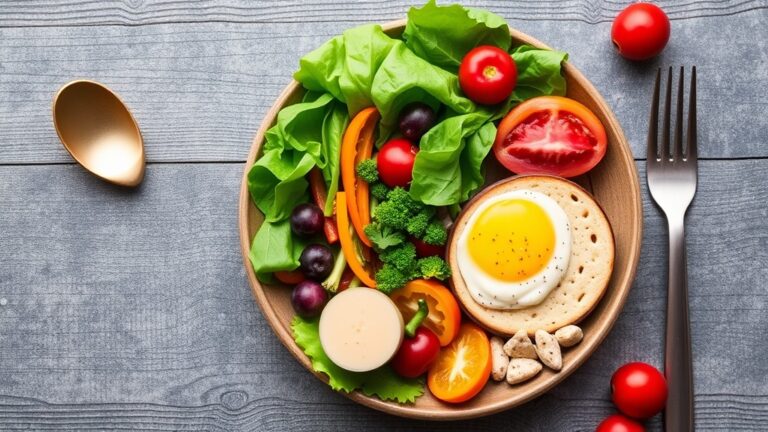
When I think about the key components of a balanced diet for fat loss, I focus on the four essential food groups: fruits, vegetables, whole grains, and lean proteins. Each plays a unique role in supporting weight loss and overall health.
Fruits and Vegetables
I’ve discovered that incorporating a variety of fruits and vegetables into my meals not only adds flavor but also increases my nutrient intake. They are low in calories yet high in fiber, which helps keep me full for longer. I recommend aiming for at least five servings a day.
For example, swapping out a sugary snack for a piece of fruit can satisfy my sweet tooth while providing essential vitamins. This small change can significantly impact your balanced diet for fat loss.
Whole Grains
Whole grains are another critical component. In my journey, I’ve learned that they are more nutritious than refined grains and can help with weight management. They provide sustained energy and are rich in fiber, which aids digestion and keeps you feeling satisfied.
Replacing white bread with whole grain options has been a game-changer for me. It’s a simple swap that can enhance your meals while supporting your balanced diet for fat loss.
Meal Planning for a Balanced Diet for Fat Loss
Meal planning has been one of the most effective strategies for me in maintaining a balanced diet for fat loss. By preparing meals in advance, I can control portion sizes and ensure that I’m eating nutritious foods consistently.
Creating a Weekly Meal Plan
When I sit down to create my weekly meal plan, I include a variety of proteins, grains, and vegetables. This not only keeps my meals exciting but also ensures I’m getting a balanced mix of nutrients. I often find that planning ahead helps me avoid unhealthy temptations.
For example, if I know I have healthy meals ready to go, I’m less likely to reach for fast food on busy days. This proactive approach is vital for anyone serious about a balanced diet for fat loss.
Portion Control
I’ve found that portion control is crucial in my journey. Even healthy foods can lead to weight gain if eaten in excess. I recommend using measuring cups or a food scale to help you gauge portion sizes, especially when starting out.
Learning to listen to my body’s hunger cues has been a game changer. Eating mindfully and paying attention to when I’m satisfied can help me stick to my balanced diet for fat loss.

Staying Committed to Your Balanced Diet for Fat Loss
Staying committed to a balanced diet for fat loss can be challenging. I’ve experienced ups and downs, but finding strategies that work for me has been key to my success.
Setting Realistic Goals
In my experience, setting achievable goals is essential. Instead of aiming for drastic changes, I focus on small, manageable adjustments. For instance, I might commit to adding one extra serving of vegetables to my meals each week.
These small victories make the journey less overwhelming and help me stay motivated. I’ve found that with each accomplishment, my confidence grows, reinforcing my commitment to a balanced diet for fat loss.
Finding Support
Having a support system has made a significant difference in my journey. Whether it’s friends, family, or online communities, I encourage you to share your goals with others. This accountability can keep you on track and motivated.
Sometimes, just knowing that someone else is cheering you on can make all the difference in maintaining a balanced diet for fat loss.
Common Questions About Balanced Diet for Fat Loss
As I’ve been exploring this topic, I’ve come across several common questions that people often ask about a balanced diet for fat loss. Let’s address a few of them!
What foods should I avoid for fat loss?
In my experience, I’ve found that processed foods, sugary drinks, and high-calorie snacks can hinder fat loss. Focusing on whole, nutrient-dense foods has been much more effective for me.
Can I still enjoy treats while following a balanced diet?
I’ve learned that moderation is key. Allowing myself occasional treats helps me stay on track without feeling deprived. Balance is essential in a balanced diet for fat loss.
How do I know if I’m eating enough?
I’ve found that tracking my meals for a short period can be beneficial. This helps me understand my intake and ensure that I’m meeting my nutritional needs without overeating.
How important is exercise in a balanced diet for fat loss?
In my experience, exercise complements a balanced diet for fat loss perfectly. It boosts metabolism and enhances overall well-being. I recommend finding an activity you enjoy to make it sustainable.
What should I drink while on a balanced diet for fat loss?
I’ve found that water is my best friend! Staying hydrated is crucial, and sometimes, I add a splash of lemon or cucumber for flavor. Herbal teas can also be a great choice.
Frequently Asked Questions
How do I start a balanced diet for fat loss?
In my experience, starting a balanced diet for fat loss involves assessing your current eating habits and making small, gradual changes. Focus on incorporating more whole foods and planning your meals ahead of time.
How long does it take to see results from a balanced diet for fat loss?
I’ve found that results can vary, but with consistency, many people start to see changes in their body and energy levels within a few weeks. Patience and commitment are essential.
What are some quick meals for a balanced diet for fat loss?
I recommend quick meals like salads with lean protein, stir-fries, or whole grain wraps. These can be prepared in advance and are both nutritious and satisfying.
Can I follow a balanced diet for fat loss on a budget?
Absolutely! In my experience, buying seasonal produce and bulk grains can save money while maintaining a balanced diet for fat loss. Meal prepping can also help reduce waste and costs.
Conclusion
In conclusion, my research on a balanced diet for fat loss has shown me the importance of whole foods, proper planning, and commitment. I hope this guide helps you navigate your journey toward wellness and weight loss. Remember, it’s all about finding balance—nourishing your body while enjoying life!
Find out more information about “balanced diet for fat loss”
Search for more resources and information: