Crafting Your Ultimate Meal Plan for Weight Loss: A Delicious Path to a Healthier You
⚡ TL;DR: This guide explains how to create an effective meal plan for weight loss.
📋 What You’ll Learn
In this comprehensive guide about meal plan for weight loss, I’ve compiled everything you need to know based on my research. Here’s what I’ll cover:
- Learn the fundamentals – Understanding how a meal plan for weight loss creates a caloric deficit is crucial for success.
- Master macronutrient balance – I’ve discovered that balancing proteins, fats, and carbohydrates keeps meals satisfying and nutritious.
- Discover the importance of meal prepping – Preparing meals in advance saves time and helps maintain adherence to the meal plan.
- Understand how to adjust your plan – Being flexible and making necessary adjustments is key to navigating plateaus in your weight loss journey.
I’ve been researching the best strategies for a meal plan for weight loss, and I can’t wait to share what I’ve learned. In my experience with meal plans, I’ve discovered that having a structured approach can make all the difference. A well-thought-out meal plan for weight loss not only helps in shedding those extra pounds but also improves overall health.
When I started my journey, I realized that a practical meal plan for weight loss is key to achieving my goals. It’s not just about cutting calories; it’s about making smart choices that are sustainable and enjoyable. Let’s dive into how you can create your own meal plan for weight loss that’s both delicious and effective.
Understanding the Meal Plan for Weight Loss
A meal plan for weight loss is more than just a list of foods; it’s a roadmap to healthier eating. I’ve found that understanding the fundamentals can set you up for success.
First, it’s essential to recognize that weight loss typically occurs when you consume fewer calories than you burn. A strategic meal plan for weight loss helps you achieve a caloric deficit while ensuring you get the nutrients your body needs.
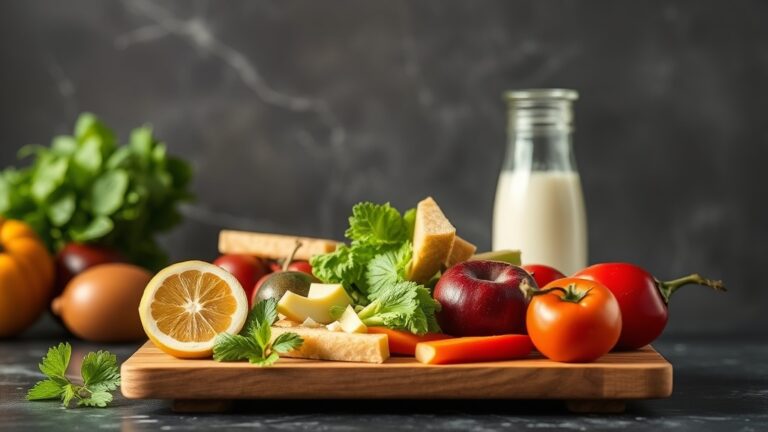
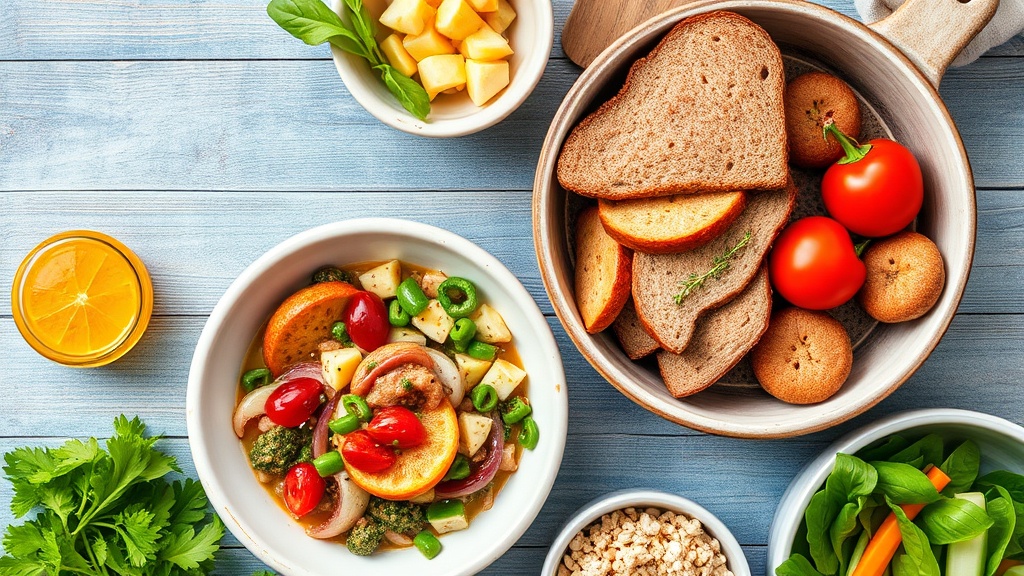
Next, consider the types of foods you include in your plan. Focus on whole, unprocessed foods such as fruits, vegetables, lean proteins, and whole grains. I’ve noticed that incorporating these foods not only keeps me full but also supports my energy levels throughout the day.
Balancing Macronutrients
In my journey, I learned how crucial it is to balance macronutrients in my meal plan for weight loss. This means ensuring an appropriate ratio of carbohydrates, proteins, and fats.
I’ve discovered that including proteins, like chicken or tofu, can help me feel satiated longer. Healthy fats from sources such as avocados and nuts are also beneficial, as they keep my meals satisfying and flavorful. Moreover, carbohydrates from whole grains provide the necessary energy for my workouts.
By focusing on balanced meals, I’ve managed to stay on track while enjoying my food.
Understanding Portion Sizes
From my research, I’ve realized that portion sizes can be deceptive. It’s easy to overeat, even with healthy foods. That’s why I recommend using measuring cups or a food scale initially to get a sense of what appropriate portions look like.
Tracking my meals helped me develop a better understanding of my body’s hunger cues. I’ve learned to listen to my body and eat mindfully, rather than simply finishing what’s on my plate. This approach has transformed my relationship with food and helped me adhere to my meal plan for weight loss.
Key Components of a Successful Meal Plan
Creating a meal plan for weight loss requires a few key components to ensure it’s both effective and enjoyable. Let’s explore these elements that I’ve found to be crucial in my own planning.
First, meal prepping has been a game changer for me. Dedicate a few hours each week to cook and portion out meals in advance. This not only saves time during busy weekdays but also helps me stick to my meal plan for weight loss.
Additionally, variety is essential. Eating the same things can lead to boredom. I’ve learned to mix things up by trying new recipes or swapping ingredients. This keeps me excited about my meals and prevents me from straying from my plan.
Incorporating Snacks Wisely
I’ve found that including healthy snacks in my meal plan for weight loss is vital. Snacks can curb hunger between meals and prevent overeating later.
Opt for nutrient-dense options like Greek yogurt, fruits, or nuts. These choices provide energy without excessive calories. Planning my snacks ahead of time has made it easier to stick to my meal plan, ensuring I don’t reach for unhealthy options when hunger strikes.
Staying Hydrated
Another component that I can’t stress enough is hydration. I’ve learned that drinking enough water throughout the day helps control hunger and boosts metabolism.
I aim for at least eight glasses of water daily. Sometimes, I infuse my water with fruits like lemon or cucumber to make it more enjoyable. Staying hydrated has not only supported my weight loss efforts but has improved my overall well-being.
Creating Your Own Meal Plan for Weight Loss
Now that we’ve covered the essentials, let’s get into the nitty-gritty of crafting a personalized meal plan for weight loss.
I recommend starting with a weekly template. I usually outline my meals for breakfast, lunch, dinner, and snacks. This gives me a clear picture of what I’ll be eating and helps in grocery shopping.
Consider your preferences and lifestyle. If you’re busy, opt for quick recipes or one-pot meals. On weekends, I often dedicate more time to cooking and trying new dishes. This flexibility keeps my meal plan enjoyable and sustainable.
Sample Meal Plan
Here’s a simple sample meal plan for weight loss that I’ve enjoyed:
– **Breakfast:** Oatmeal topped with berries and a spoonful of almond butter
– **Snack:** A piece of fruit or a handful of nuts
– **Lunch:** Grilled chicken salad with a variety of vegetables
– **Snack:** Greek yogurt with honey
– **Dinner:** Quinoa with roasted vegetables and salmon
By planning meals like this, I ensure I’m getting a mix of nutrients while enjoying what I eat.
Adjusting Your Plan
As I’ve progressed in my weight loss journey, I’ve learned the importance of adjusting my meal plan for weight loss according to my results and changing needs.
If I hit a plateau, I revisit my meal plan and tweak portion sizes or swap ingredients. Tracking my meals has been instrumental in recognizing what works best for my body. I encourage you to be flexible and open to changes as you find what suits you.
Tips for Sticking to Your Meal Plan
Staying committed to a meal plan for weight loss can be challenging. However, I’ve discovered several strategies that have helped me remain focused and on track.
One of the most effective methods is accountability. Sharing my goals with friends or joining a community has motivated me to stick to my meal plan. I’ve found that discussing challenges and successes with others keeps me inspired.
Furthermore, I’ve learned to embrace setbacks. It’s okay to indulge occasionally; what matters is getting back on track without guilt. This mindset has made my journey much more enjoyable.
Using Technology
I’ve also started using apps to track my meals and workouts. These tools help me visualize my progress and stay organized.
Many apps allow you to set goals and monitor caloric intake, which has been crucial in my meal plan for weight loss. I recommend exploring a few options and finding one that fits your lifestyle.
Celebrating Small Wins
Another tip is to celebrate small victories. I’ve found that recognizing my progress, whether it’s fitting into a favorite outfit or achieving a fitness milestone, keeps my motivation high.
When I meet a goal, I treat myself to something special that doesn’t involve food, like a spa day or new workout gear. This positive reinforcement strengthens my commitment to my meal plan for weight loss.
Common Questions About meal plan for weight loss
How often should I change my meal plan for weight loss?
In my experience, it’s beneficial to review and adjust my meal plan every few weeks. This allows me to stay motivated and cater to any changes in my lifestyle or weight loss progress.
Can I eat carbs on a meal plan for weight loss?
Absolutely! I’ve found that including healthy carbs, such as whole grains and fruits, is essential for energy. The key is to choose the right types and balance them with proteins and fats.
How can I stay motivated on my meal plan for weight loss?
In my experience, setting clear goals and finding a support network can keep you motivated. Sharing your journey with friends or online communities can provide encouragement and accountability.
What if I go off my meal plan for weight loss?
I’ve learned that it’s okay to have setbacks. What’s important is to not dwell on them. I simply get back to my meal plan and focus on my long-term goals.
Should I count calories on a meal plan for weight loss?
I recommend tracking calories, especially in the beginning, to understand portion sizes. However, I’ve found that focusing on the quality of foods is just as crucial for sustainable weight loss.

Frequently Asked Questions
What is a meal plan for weight loss?
A meal plan for weight loss is a structured guide that outlines what to eat and when to eat, helping to achieve a calorie deficit while ensuring balanced nutrition.
How do I create a meal plan for weight loss?
To create a meal plan for weight loss, start by defining your goals, consider your dietary preferences, and outline meals and snacks for the week. Incorporate variety and balance for best results.
What foods should I include in my meal plan for weight loss?
Include whole foods like fruits, vegetables, lean proteins, and whole grains. These foods are nutrient-dense, keep you full, and support overall health while on your meal plan for weight loss.
Can I eat snacks on a meal plan for weight loss?
Yes! Healthy snacks are important to curb hunger and maintain energy. I recommend choosing nutrient-dense options that align with your meal plan for weight loss.
Conclusion
In conclusion, my research on meal plan for weight loss has shown that a well-structured plan not only aids in losing weight but also promotes healthier eating habits. I hope this guide helps you embark on your own journey. Remember, the key is to stay flexible and enjoy the process. After all, a meal plan for weight loss should be as enjoyable as it is effective.
Find out more information about “meal plan for weight loss”
Search for more resources and information: